
Real-World Fueling Lessons from a 100-Mile Ride: CGM Data at the Tour de Palm Springs

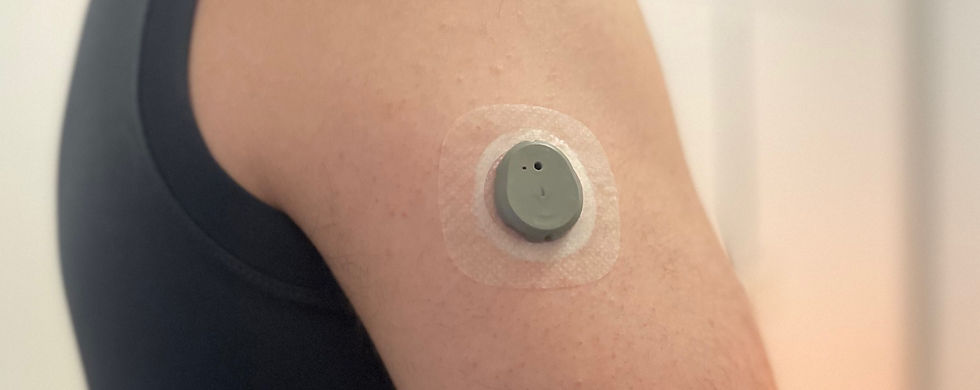
At Project Blue Health Optimization, our mission is to empower athletes and high-performers with data-driven insights to enhance their training, recovery, and longevity. We believe that understanding your body's metabolic responses isn't just for elite pros—it's for anyone serious about pushing limits sustainably. Last weekend, that philosophy hit the road during the Tour de Palm Springs, a beloved charity event featuring a scenic 100+ mile loop through the Coachella Valley. Four riders turned the ride into an informal experiment, equipping with continuous glucose monitors (CGMs) from Dexcom to track how different fueling strategies affected blood glucose levels in real time.
The idea was simple: monitor glucose dynamics during a demanding endurance effort and correlate them with carb intake logs. This was inspired by recent research, like the Noakes et al. review in Endocrine Reviews, which challenges traditional views on carbohydrate fueling. The paper argues that exercise-induced hypoglycemia (EIH), a drop in blood glucose, is the primary driver of fatigue in prolonged efforts, not muscle glycogen depletion. Carbs, they suggest, mainly prevent EIH by stabilizing blood sugar, protecting the brain from low-glucose shutdowns. Our group put this to the test on the bike, logging every sip and snack while battling winds, rollers, and the inevitable late-ride fatigue.

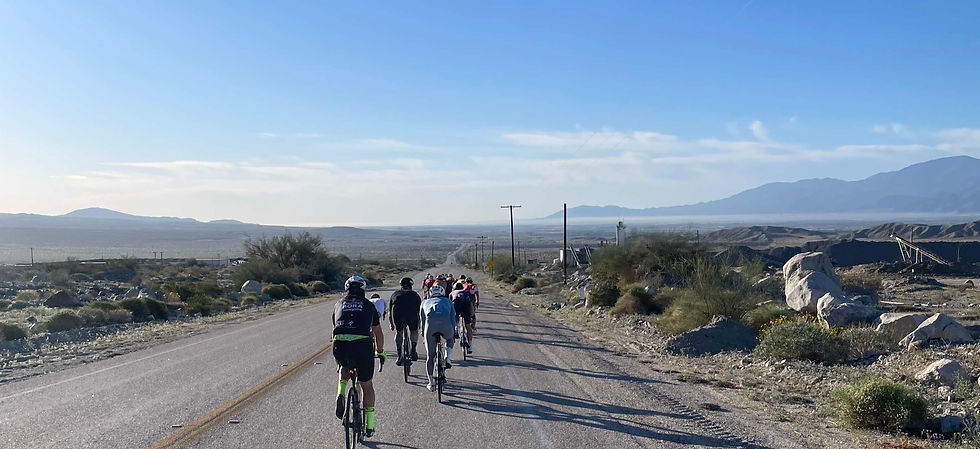
The ride itself was a grind: starting at 7:00 AM under warmer than normal temps, we navigated an initial climb followed by flats and headwinds that left everyone exhausted. Yet, the camaraderie and stunning desert views made it rewarding. We all pushed through (though one rider DNF'd due to cramping), and the CGM data provided fascinating snapshots of individual variability. Here's a deeper dive into the setup, findings, and lessons—backed by our PDF report (link below).
The Setup: Riders, Ride, and Methods
Our group consisted of four endurance cyclists in their 30s–40s, with mixed fitness levels—from seasoned riders to those building back form. For anonymity, we'll refer to them as Rider 1, Rider 2, Rider 3, and Rider 4. We used Dexcom devices (two Stelo, two G7) to capture real-time blood glucose. Each rider followed their usual fueling approach—no prescribed plans—to reflect natural habits.
Ride Details: ~100–101 miles, 4–5.25 hours. Stops at miles 38 (Fantasy Springs Resort Casino), 62 (Westside Elementary School), and 90 (Lowes). Conditions: Variable wind, sunny, no extreme heat.
Data Tracked: Carb intake (total grams, per hour) from bottles, gels, bars, and snacks. CGM for glucose highs/lows. Subjective notes on energy, fatigue, and GI comfort.
Scientific Tie-In: We referenced the Noakes review, which analyzed 160+ studies to emphasize EIH over glycogen as the fatigue limiter. Our data aimed to see this in action: Does moderate carb intake prevent lows without massive spikes?
No one aimed for ultra-high rates (90+ g/h); instead, we saw a range of 57–72 grams per hour, testing if "less is more" for EIH prevention.
Individual Fueling & Glucose Profiles
The data revealed clear patterns: Carbs kept glucose stable for most, preventing major dips, but individual responses varied based on intake rate, meal composition, and physiology. Here's a summary table:
Rider | Total Carbs | Total Time | Carbs / Hour | Highest Glucose | Lowest Glucose | Notes |
Rider 1 | 274 g | 4.75 hr | 57.7 g/hr | 159 mg/dL | 108 mg/dL | Steady moderate fueling; no major issues. Early high rate (79 g/h) for strong start, tapering later. |
Rider 2 | 307 g | 5.25 hr | 58.5 g/hr | 163 mg/dL | 87 mg/dL | Ramped up during fatigue; stable with carbs, spikes post-stops. Effective EIH prevention without GI upset. |
Rider 3 | 345 g | 4.75 hr | 72.6 g/hr | 175 mg/dL | 86 mg/dL *48 post lunch | Aggressive carbs prevented ride EIH but caused reactive hypo after high-GI lunch (pasta + Coke). |
Rider 4 | 277.5 g | 5.25 hr | 69.4 g/hr | 145 mg/dL | 75 mg/dL | High carbs, but DNF due to cramping — possible electrolytes/dehydration. Deconditioning may have contributed. |
Rider 1: Moderate fueling (e.g., maltodextrin/fructose bottles + Clif blocks) led to consistent energy. No reported lows or crashes — a textbook example of sufficient carbs preventing EIH without overload.
Rider 2: Skratch Super High Carb mix, ramping up in harder segments. Glucose stayed 87–163 mg/dL, with minor spikes after stops. Felt steady, reinforcing that 50–70 g/hr works for my physiology.
Rider 3: Highest intake, aggressive early (86 g/h), prevented ride hypos but triggered a severe post-lunch drop (48 mg/dL ~1.5 hours after 85 g carbs from pasta/Coke). This fits reactive hypoglycemia: rapid spike → insulin overshoot → crash (rider felt the symptoms)
Rider 4: Similar high rate, but cramping forced an early stop. Despite carbs, this might highlight electrolytes (sodium/potassium) as crucial — high intake can draw water to the gut, worsening cramps if not balanced. Also considering rider might be more deconditioned than expected.
Post-ride lunches varied, but Rider 3's hypo underscores the Noakes paper's point: Carbs stabilize during exercise, but refined loads post-effort can backfire in insulin-sensitive athletes.
Tying It to the Science: EIH and Carb Roles
The Noakes review (Endocrine Reviews, 2026) analyzed over 160 studies and flips traditional nutrition dogma. It argues muscle glycogen depletion doesn't cause fatigue, it's EIH, where falling blood glucose signals the brain to shut down effort as protection against "glycopenic brain damage." Carbs' main benefit? Preventing EIH by maintaining stable glucose, not refilling glycogen.
Our data supports this:
No major ride hypos across the group, even with moderate carbs (47–72 g/h). Unfortunately, this doesn't exactly match Noakes' finding that low doses (~15–30 g/h) suffice for EIH prevention in many.
Rider 4's cramping despite high carbs suggests other factors (dehydration, electrolytes, deconditioning) — carbs aren't the only limiter.
Post-ride: Rider 3's crash illustrates how high glycemic meals can induce reactive lows, unrelated to glycogen but tied to muscle and insulin dynamics.
Studies in the review (e.g., Boje 1936, Christensen & Hansen 1939) showed carbohydrate reversing fatigue by stabilizing glucose. Fat-adapted athletes perform equivalently with less carbohydrates, challenging "carb obligatory" views. Our riders' varied intakes (simple vs. complex carbs) showed flatter curves with sustained fueling, aligning with this.
For endurance athletes, this means personalizing: Use CGM to find your "sweet spot" for stability without spikes or GI issues. Over-fueling risks crashes; under-fueling risks EIH.
Lessons Learned: Practical Takeaways for Athletes
This experiment wasn't lab-controlled, but the real-world messiness made it valuable. Key insights:
Carb Rates Matter, But So Does Type: Moderate 50–70 g/h prevented EIH for most. Interestingly it was the simple sugars (Clif blocks, Gatorade) that saw the most flat graphs while the complex (Skratch cluster dextrin) showed more peaks and troughs in graphs.
Individual Variability is Huge: Rider 3's sensitivity led to post-meal lows; Rider 4's cramping highlighted variability. Test your response — what works for one, crashes another.
Post-Ride Fueling Traps: High glycemic lunches can trigger reactive hypoglycemia. Balance with protein/fat/fiber (e.g., add nuts/avocado to pasta). Or consider smaller and more frequent carbohydrates post ride.
Beyond Carbs: Cramping (Rider 4) and exhaustion emphasize hydration, sodium, and training status. Noakes notes fat-adaptation reduces CHO reliance — worth exploring for ultras.
CGM as a Tool: Devices like Dexcom revealed hidden patterns (e.g., asymptomatic dips). For athletes, this is game-changing for dialing in nutrition.
At Project Blue, we use CGMs, VO2 max, and lactate testing, sweat, hydration, and carbohydrate analysis to personalize plans. This ride showed how data turns "good enough" fueling into optimized performance.
Conclusion: The Joy (and Grind) of Experimentation
The Tour de Palm Springs was exhausting but exhilarating — shared miles, laughs, and post-ride stories made it memorable. Our CGM experiment proved that science like Noakes' applies on the road: Prevent EIH with smart carbs, but listen to your body. Download the full PDF report for graphs and details.
Huge thanks to the riders for participating. If you're an athlete curious about your metabolic profile, reach out and let's optimize yours!
What's your century fueling strategy? I'd love to hear what you liked or think we should do differently next time!
@RCCOC @Rapha_LA @The_Feed @Dexcom


Comments