
Pre-Workout Macros: How to Fuel for Maximum Gains in Endurance Sports
In the world of endurance training, whether you're logging miles on the road as a runner, pushing watts on the bike, or grinding through triathlon sessions, pre-workout nutrition is often the difference between a strong, sustainable effort and hitting the wall prematurely. While many athletes obsess over intra-workout fueling or recovery shakes, the meal (or snack) you eat before training plays a critical role in performance, adaptation, and long-term gains.
Recent research from the past five years reinforces that strategic macronutrient timing and composition before exercise can enhance glycogen availability, stabilize energy levels, support muscle preservation, and improve overall training quality. Let's break down the science and practical strategies to maximize your gains.

The Science of Pre-Workout Nutrition: Why Macros Matter
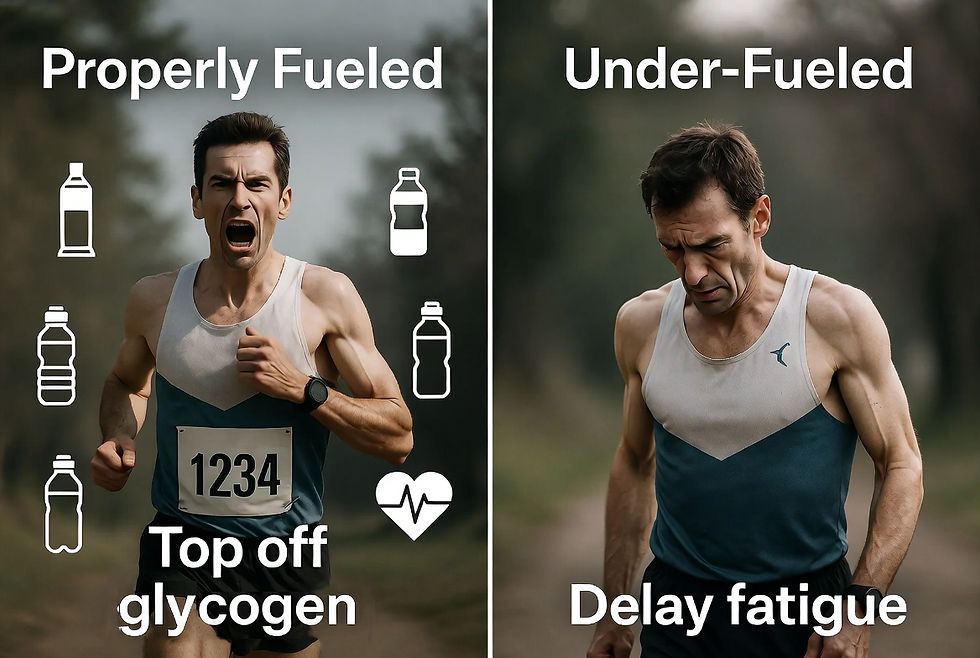
Endurance performance relies heavily on carbohydrate availability. A 2023 narrative review in Nutrients highlighted that consuming 1–4 g/kg body mass of carbohydrates 1–4 hours before exercise is a well-supported strategy for sessions lasting longer than 60 minutes. This approach tops off muscle and liver glycogen stores, helping maintain blood glucose and delaying fatigue.
A 2026 analysis from MacroFactor echoed this, noting that carbohydrate-dominant meals consumed 1–4 hours pre-exercise reliably improve endurance performance, particularly in efforts exceeding one hour. The benefits stem from increased exogenous fuel availability and spared endogenous glycogen.
Protein also plays a supporting role. While not the primary fuel source, recent evidence suggests modest pre-exercise protein intake (around 0.3 g/kg) can help reduce muscle breakdown during prolonged sessions and support overall recovery when combined with carbs. A 2025 review on protein needs for endurance athletes recommended a daily target of approximately 1.8 g/kg, with strategic distribution around training. Co-ingestion of protein with carbohydrates may offer advantages for endurance when total carb intake is adequate.
Fats, on the other hand, should generally be minimized in the immediate pre-workout window (especially 1–2 hours out). High-fat meals slow gastric emptying and can lead to gastrointestinal discomfort during high-intensity or long efforts. Research consistently advises keeping pre-exercise fat low to moderate, reserving higher fat intake for meals further from training.
Timing Is Everything: Matching Macros to Your Session
The optimal pre-workout window depends on meal size, individual tolerance, and workout demands:
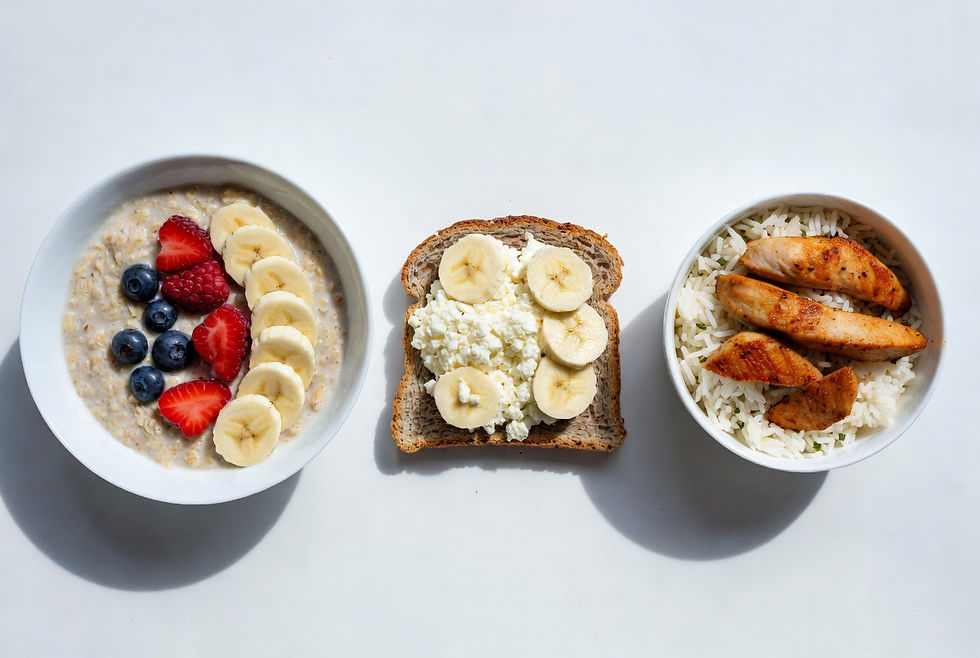
3–4 Hours Before: This is ideal for a full meal. Aim for 1–4 g/kg carbohydrates, moderate protein (20–40g), and minimal fat/fiber to allow proper digestion. Think oatmeal with fruit and a side of Greek yogurt, or rice with lean chicken and vegetables. This timing supports substantial glycogen loading without GI issues.
1–2 Hours Before: Shift to a smaller, carb-focused snack. Target 0.5–1.5 g/kg carbs with a small amount of protein. Examples include a banana with nut butter (in moderation), a sports bar, or toast with honey and cottage cheese. This provides quick energy while minimizing stomach upset.
30–60 Minutes Before: Keep it light—primarily simple carbs (30–60g) like a gel, sports drink, or ripe fruit. Protein here should be minimal to avoid slowing digestion.
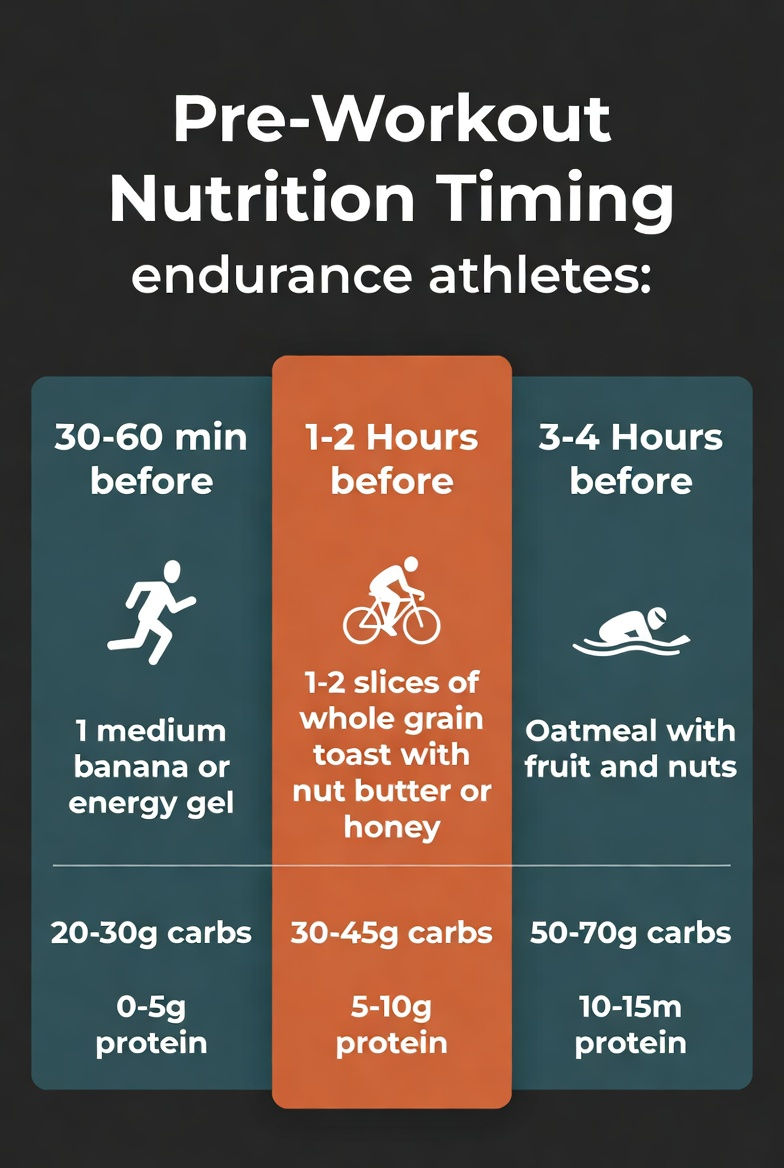
Recent guidelines emphasize personalization. Athletes should experiment during training to identify what works best, as individual responses to glycemic index and food volume vary.
Sample Pre-Workout Macro Strategies for Endurance Athletes
Here’s how this translates for a 70kg (154 lb) athlete:
Long Endurance Session (2+ hours): 3–4 hours prior — 70–120g carbs (1–1.7 g/kg), 25–35g protein, <10g fat. Example: Bowl of oatmeal (60g carbs) with banana, berries, and 20g whey or Greek yogurt.
Tempo or Interval Workout (60–90 minutes): 1–2 hours prior — 40–70g carbs, 15–25g protein. Example: Whole-grain toast with avocado (minimal), turkey, and a piece of fruit.
Easy Recovery Ride/Run: You can afford more flexibility, but still prioritize carbs to support daily training consistency.
For hybrid athletes or those strength training alongside endurance work, adding a bit more protein (up to 30–40g) can help with muscle protein synthesis without compromising carb delivery.
Common Pitfalls and How to Avoid Them
Too Much Fiber or Fat Close to Training: High-fiber foods (e.g., large salads, bran cereals) or fatty meals can cause bloating or sluggishness. Save these for evening meals or rest days.
Undereating Carbs: Starting sessions with low glycogen leads to early fatigue, reduced intensity, and poorer adaptations. Recent studies confirm that even well-trained athletes benefit from pre-exercise carb intake for longer efforts.
Over-Reliance on Supplements: While convenient, whole foods often provide better satiety and micronutrients. Use gels, bars, or drinks strategically, especially when time is limited.
Ignoring Individual Factors: Menstrual cycle phase, heat, altitude, and gut training all influence tolerance. Track how different macro combinations affect your energy, HRV, and perceived exertion.
Beyond Performance: Supporting Long-Term Gains
Pre-workout nutrition isn't just about the session at hand—it influences training consistency and progressive overload. By fueling properly, you can handle higher volumes and intensities over time, leading to better aerobic adaptations, improved body composition, and reduced injury risk.
A balanced approach—high carbs for fuel, adequate protein for repair, and smart fat timing—aligns with recommendations from leading endurance nutrition experts. Total daily intake still matters most, but strategic pre-workout macros act as a force multiplier.
Practical Takeaways for June Training
As we head into longer summer sessions, audit your pre-workout habits:
Calculate your carb needs based on body weight and session duration.
Experiment with 2–3 different meal timings this month.
Monitor subjective feel, resting heart rate, and performance metrics.
Stay hydrated—pair your macros with 500ml of fluid in the pre-workout window.
Mastering pre-workout macros is a high-leverage habit. It’s not about perfection on every session, but consistent, evidence-based fueling that lets you show up stronger day after day. Whether you're chasing PRs in your next half-marathon or building toward an Ironman, the right pre-workout plate can help you get there.
Always consult a sports dietitian for personalized advice, especially if you have specific health considerations. But always, please feel free to contact Project Blue and we're always here to help you on your journey!


Comments