
Minimizing Microplastics in Your Life: Practical Steps for Better Health
In today's world, microplastics have infiltrated nearly every aspect of our environment and daily lives. But what exactly are they, where do they come from, and why should we care? In this post, we'll dive deeper into these questions and explore actionable ways to reduce your exposure, including specific kitchen swaps. As an athlete or someone focused on longevity, minimizing these pollutants can help optimize your performance and health-span.
What Are Microplastics?
Microplastics are tiny plastic particles measuring less than 5 millimeters—about the size of a sesame seed or smaller. They come in two main types: primary microplastics, which are intentionally manufactured small (like microbeads in cosmetics or exfoliants, though many are now banned in the U.S. and EU), and secondary microplastics, which form from the breakdown of larger plastic items due to weathering, UV exposure, or mechanical wear. These particles don't biodegrade; instead, they persist and accumulate, entering ecosystems and human bodies through ingestion, inhalation, or skin absorption.
Common Sources of Microplastics
Microplastics lurk in surprising places, often from everyday items we use without thinking. Major contributors include synthetic clothing (shedding fibers during washing), car tires, city dust, road markings, marine coatings, and personal care products. In food and drink, they're prevalent in bottled water (up to thousands per liter), processed foods, seafood, salt, and tea bags.
In the kitchen specifically:

Workout water bottles: Reusable plastic bottles, even BPA-free, release microplastics through repeated use, heat, or cap abrasion—studies show screw caps alone can shed thousands into your drink.
Coffee machines and cups: Hot liquids pull particles from plastic components in drip machines, single-serve pods, or lined disposable cups—hot beverages can release millions of particles, like paper coffee cups.
Food storage in the fridge: Plastic containers leach microplastics over time, especially with acidic or fatty foods—research detects millions to billions after months of refrigeration.
Why Microplastics Are Bad for the Environment
Microplastics devastate ecosystems: they pollute oceans, rivers, and soil, where animals mistake them for food. Marine life ingests them, leading to starvation, toxicity, and bioaccumulation up the food chain—affecting fish, birds, and ultimately humans. They persist for centuries, releasing chemicals and absorbing toxins like pesticides, amplifying environmental harm.
Why Microplastics Are Bad for Our Bodies
Once ingested or inhaled, microplastics trigger inflammation, oxidative stress, and cellular damage. They disrupt hormones by mimicking estrogen, potentially leading to reproductive issues, metabolic disorders, and fertility decline. Animal and human cell studies suggest links to cancer, heart attacks, and immune responses. For athletes, this could mean impaired recovery or performance over time.

Actionable Ways to Reduce Exposure
Focus on prevention, as there's no proven way to "detox" or remove microplastics once they're in your body—they accumulate without breakdown. Some evidence suggests antioxidants and anti-inflammatory diets (e.g., rich in fruits/veggies) may mitigate harm, but they don't eliminate particles.
In the kitchen:
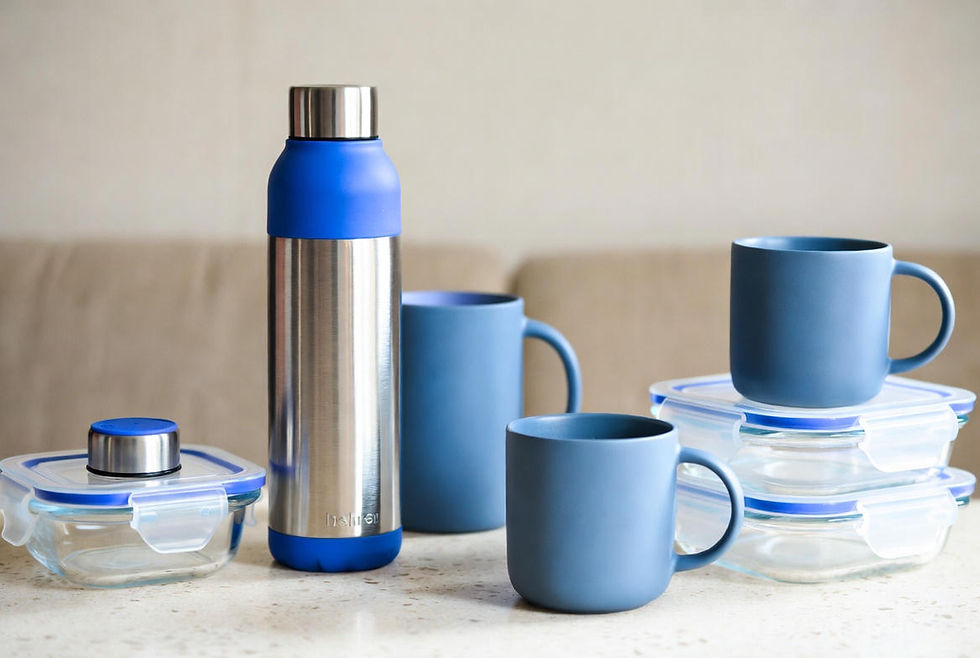
Workout water bottles: Switch to stainless steel or glass—durable and zero leaching.
Coffee machines and cups: Use pour-over or metal-filter methods; ceramic mugs for drinking.
Food storage: Opt for glass or ceramic containers in the fridge—safer for long-term use.
Broader tips: Filter tap water, choose natural-fiber clothes, avoid microwaving plastic, and clean dust regularly.
These changes are simple but powerful—start with your kitchen for quick wins. By reducing microplastics, you're investing in cleaner health and a better planet.


Comments